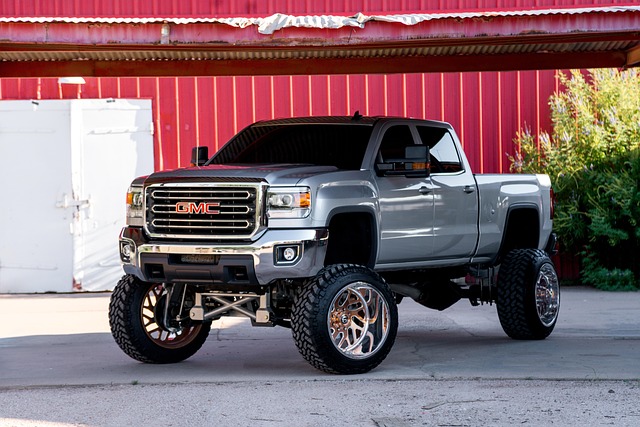
TL;DR: This article provides an in-depth overview of advanced truck suspension systems, tailored to those seeking guidance on repairs in Brownsville, TX. We explore common components, troubleshooting tips, and best practices for maintaining optimal vehicle performance and safety.
Introduction: Understanding Truck Suspension
When it comes to truck repair manual Brownsville, one of the critical areas of focus is the suspension system—a complex network designed to ensure a smooth, stable ride while enhancing vehicle control. Advanced suspension systems are evolving rapidly, incorporating innovative technologies to meet modern driving demands. This guide aims to demystify these systems, offering valuable insights for both professionals and enthusiasts in Brownsville, Texas.
1. Unlocking the Components: A Deep Dive into Truck Suspension
The Basic Suspension Layout
Every truck’s suspension system shares fundamental components, though specific designs may vary based on make, model, and year. Understanding these basic elements is crucial for effective troubleshooting and repairs in a truck repair manual Brownsville setting:
-
Springs: These are the primary energy absorbers, responsible for dampening road impacts and supporting the vehicle’s weight. Common types include leaf springs, coil springs, and air springs.
-
Shock Absorbers/Struts: These components control spring movement, absorbing energy and preventing excessive bounce. They ensure a comfortable ride and stable cornering.
-
Control Arms: Linking the wheels to the vehicle’s chassis, control arms facilitate steering and suspension movement. They also contribute to wheel alignment.
-
Ball Joints & Bushings: These allow for smooth rotation of control arms, ensuring proper wheel positioning. Worn bushings can lead to handling issues.
-
Stabilizer Bar (Anti-Roll Bar): Designed to minimize body roll during cornering, the stabilizer bar enhances stability and ride quality.
Advanced Suspension Technologies
Modern trucks often feature advanced suspension systems incorporating these technologies:
-
Independent Front Suspension: Offers superior handling and comfort compared to solid front axes. Each wheel moves independently, reacting to road irregularities individually.
-
Multi-Link Suspension: Provides precise control over wheel movement, enhancing stability and reducing body roll.
-
Adaptive Suspension Systems: Utilize sensors and electronic controls to adapt suspension settings in real time based on driving conditions, offering optimized ride quality and handling.
2. Troubleshooting Common Issues: A Practical Approach
Identifying Suspension Problems
Knowing the signs of suspension trouble is vital for effective troubleshooting in a truck repair manual Brownsville context. Look for:
-
Uneven Tire Wear: Scalloped or uneven tire tread can indicate misalignment or worn suspension components.
-
Swaying or Squatting: Excessive side-to-side movement or a sinking feeling while turning might point to suspension leaks, damaged springs, or control arm issues.
-
Noisy Ride: Clunking, clicking, or banging noises can signal loose or worn suspension parts, especially during turns or over bumps.
-
Steering Instability: Difficulty steering straight or a feeling of looseness in the steering wheel could be related to worn ball joints, damaged control arms, or alignment problems.
Basic Suspension Troubleshooting Tips:
-
Check for Leaks: Inspect all suspension fluid (shock oil, steering fluid) levels and look for visible signs of leaks around seals and fittings.
-
Inspect Component Wear: Examine components like ball joints, bushings, and control arms for signs of excessive wear, corrosion, or damage.
-
Align Your Wheels: Poor wheel alignment can lead to uneven tire wear and handling problems. A professional alignment service can correct these issues.
-
Replace Worn Springs: If springs are damaged or compressed, they should be replaced as soon as possible for safety reasons.
3. Advanced Suspension Maintenance: Best Practices
Regular Inspection and Maintenance
Implementing a regular inspection routine is essential to ensuring the longevity of your truck’s suspension system. This includes:
-
Visual Checks: Periodically inspect suspension components for signs of damage, corrosion, or wear.
-
Fluid Levels & Condition: Check and top off suspension fluids regularly. Inspect them for contaminants or excessive wear debris.
-
Wheel Alignment: Schedule professional wheel alignment services at recommended intervals to maintain optimal tire performance and prevent uneven wear.
When to Seek Professional Assistance:
While some basic troubleshooting and maintenance tasks can be performed yourself, complex issues often require the expertise of a qualified mechanic. Consider seeking professional help if you encounter:
- Severe suspension damage due to accidents or rough terrain.
- Unusual suspension noises not resolved by basic checks.
- Persistent handling problems or vehicle instability.
- Signs of internal component failure (e.g., leaking shocks, compressed springs).
4. Conclusion: Maximizing Truck Performance and Safety
Understanding advanced truck suspension systems is essential for ensuring optimal performance, safety, and longevity of your vehicle. By staying informed about the various components, common issues, and best maintenance practices detailed in this truck repair manual Brownsville guide, you’ll be better equipped to care for your truck’s suspension system. Remember, regular attention and timely repairs are key to keeping your ride smooth, stable, and safe on Brownsville’s roads and beyond.